
The thrill of uncertainty
The essence of gambling lies in its unpredictable nature, a characteristic that heightens the excitement for many players. The moment before the outcome is revealed—whether it’s a spin of the roulette wheel or the flip of a card—creates intense anticipation. This uncertainty fuels the brain's reward system, releasing dopamine and causing feelings of pleasure and excitement. For those interested in maximizing their enjoyment, understanding nrl betting odds can enhance the thrill of each game. The rush generated from the potential of a big win can easily overshadow the reality of frequent losses, making it an addictive experience for many.
Additionally, the thrill of uncertainty often leads individuals to engage in behavior that they might otherwise avoid. The belief that skill or strategy can influence a game’s outcome can lead players to chase losses, convinced that a big win is just around the corner. This phenomenon is related to cognitive biases, where individuals overestimate their control over random events. The allure of gambling is not just about the money; it’s also about the psychological journey that accompanies each play.
Furthermore, the social environment of casinos enhances this thrill. When players are surrounded by others who share similar experiences, the atmosphere becomes charged with a collective energy. This social reinforcement can make gambling feel less risky and more like a shared adventure. Such environments foster a sense of belonging and community, which can be comforting, especially in challenging times, encouraging people to return for both social interactions and the thrill of chance.
The role of reward and reinforcement
Reward systems in gambling are intricately designed to maximize player engagement. Casinos strategically employ techniques such as near-misses, which are events that come close to a win but ultimately result in a loss. These scenarios generate excitement and can strengthen the desire to play again, reinforcing the notion that victory is achievable. The cycle of reward and disappointment plays a significant role in keeping players coming back for more, as the brain’s expectation of reward can create an addictive loop.
The process of variable reinforcement, where rewards are unpredictable, contributes to this gambling behavior. This concept is rooted in behavioral psychology, whereby individuals persist in a behavior because they cannot predict when the next reward will occur. This unpredictability keeps the excitement alive and compels players to continue their quest for that elusive jackpot. Each time a player receives a reward—whether it’s a small payout or a free gaming session—their motivation strengthens, creating a cycle that can be hard to break.

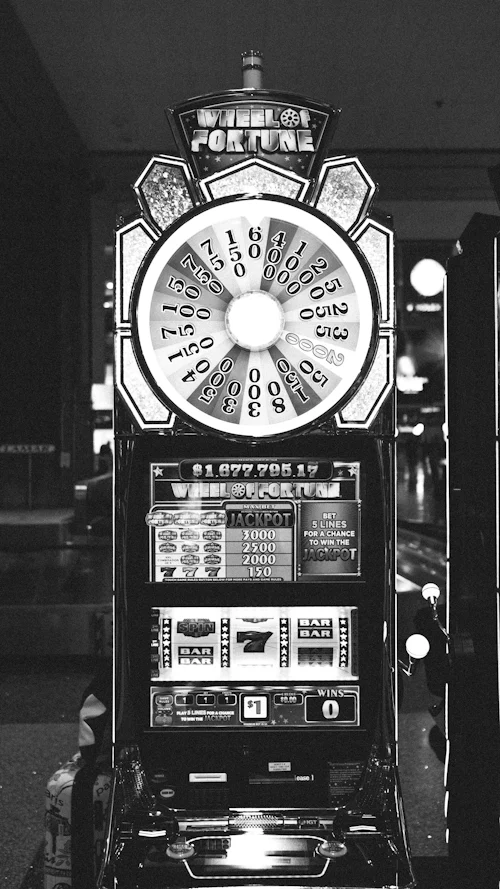
Additionally, the types of games offered play a significant role in the psychological appeal of gambling. Slot machines, for instance, are designed to be visually stimulating and easy to play, catering to both casual players and serious gamblers. The frequent but small payouts lead to a sense of achievement, reinforcing the desire to play. With immersive graphics and sounds, these games create an environment where time becomes irrelevant, further enhancing the experience and drawing players deeper into the gambling world.
Social influences and peer pressure
The social context in which gambling occurs is a powerful driver of participation. Many people are introduced to gambling through friends or family, contributing to a sense of normalcy surrounding the activity. Peer influence can lead individuals to participate in gambling even if they initially have reservations. In group settings, the encouragement and excitement from peers can lower inhibitions, prompting individuals to take risks they might avoid alone.
Moreover, casinos often host events and promotions aimed at attracting groups, making gambling a social outing rather than a solitary activity. These events can include themed nights, tournaments, or even celebrity appearances, all designed to create a festive atmosphere. This social aspect not only enhances enjoyment but also normalizes gambling as a form of entertainment, potentially leading to increased participation among attendees.
Social media also plays a significant role in how gambling is perceived and shared among individuals. Platforms that showcase big wins, celebratory gatherings, and lifestyle enhancements associated with gambling can encourage others to take part. The visibility of gambling in social circles, combined with the portrayal of success stories, can create an environment where gambling is seen as glamorous and appealing, thereby influencing new participants to engage in the experience.
The impact of cognitive biases
Cognitive biases are systematic patterns of deviation from norm or rationality in judgment, and they significantly influence gambling behavior. One notable example is the illusion of control, where gamblers believe they can influence the outcome of games that are purely based on chance. This belief can lead players to make irrational decisions, such as increasing their bets after a win or choosing specific numbers based on personal significance rather than logic.
Another common bias is the gambler's fallacy, where individuals believe that past outcomes will affect future results. For instance, a player may think that a number is "due" to win if it hasn't appeared in a while. These biases create a false sense of understanding and predictability, which can be deeply misleading but serves to sustain the gambling habit as players chase their misconceptions of “luck.”
Recognizing these biases can be crucial for both players and those who care about them. Understanding the psychological mechanisms at play can help individuals make more informed decisions about gambling. While the casino environment intensifies these biases, education and awareness can serve as a counterbalance, promoting healthier gambling behaviors and reducing the risks associated with this addictive pastime.
Discover more with our website
For individuals interested in understanding the complex world of gambling, our website provides valuable insights into the psychological factors that drive this behavior. We delve into various aspects of gambling, from the thrill of chance to the societal influences that shape our perceptions. By exploring these topics, we aim to foster a deeper understanding of why people are drawn to casinos and how this can affect their lives.
Additionally, our platform offers resources for responsible gambling, emphasizing the importance of making informed choices. We believe that awareness is key to enjoying gambling responsibly while minimizing its risks. Through informative articles, expert opinions, and community discussions, our website seeks to create a supportive environment for both seasoned players and newcomers alike.
We also provide regular updates on the latest trends in the gambling industry, helping our readers stay informed and engaged. Whether you are a casual player or a seasoned gambler, our website aims to be a comprehensive resource for knowledge, support, and community connection in the realm of gambling.